
The Unique Ecosystem of Tonle Sap Biosphere Reserve: Honey Production and Sustainability
HONEYREGIONSTONLE SAP
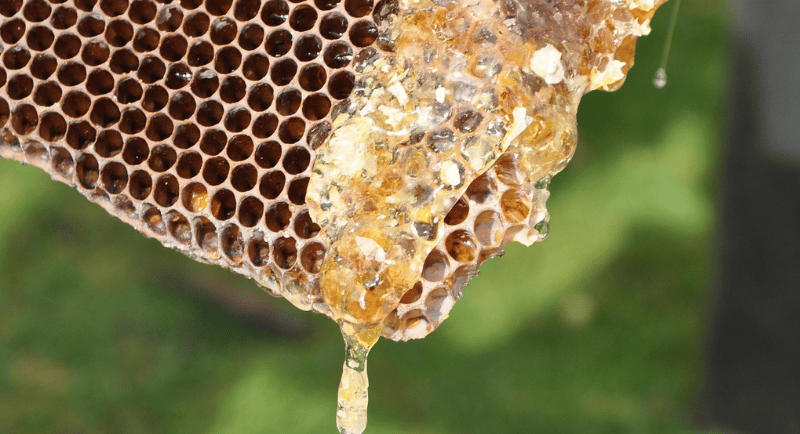
Introduction to the Tonle Sap Biosphere Reserve
The Tonle Sap Biosphere Reserve, recognized as a UNESCO World Biosphere Reserve, is a remarkable ecological area located in Cambodia. It encompasses the expansive Tonle Sap Lake, which is one of the largest freshwater lakes in Southeast Asia, framed by a diverse tapestry of flooded forests and wetlands. This reserve plays a crucial role in supporting a unique array of biodiversity, making it a key ecological asset not only for Cambodia but also for the global community.
Geographically, the Tonle Sap Biosphere Reserve spans several provinces, including Siem Reap, Battambang, Kampong Thom, and Pursat. Each province contributes distinct ecological features, thus enriching the overall biodiversity of the region. The lakeside ecosystems are characterized by variances in seasonality, with the area shifting dramatically between wet and dry seasons. During monsoon months, the Tonle Sap River reverses its course, causing the lake to expand significantly, providing critical habitats for both aquatic and terrestrial species.
This biosphere reserve is not only significant for its ecological attributes but also for its socio-economic importance to local communities. Many inhabitants rely on the natural resources provided by the ecosystems for their livelihoods, including fishing and agriculture. The interplay between human activity and the natural environment within the reserve showcases a model of sustainable resource use that is essential for maintaining the ecological integrity of this remarkable area. Understanding the complex interactions and rich biodiversity is critical for promoting conservation efforts and sustainable practices in the Tonle Sap biosphere.
The Role of Giant Honeybees in the Flooded Forests
The flooded forests of Tonle Sap Biosphere Reserve serve as a critical habitat for various species, among which the giant honeybees (Apis dorsata) play a unique and indispensable role. These remarkable bees are well adapted to the seasonal changes within this ecosystem, particularly in the way they manage their life cycle and nesting behavior. Typically, giant honeybees migrate to lower elevations during the wet season, when the forests are inundated with water. This mobility allows them to safeguard their hives, which are often perched high on trees to avoid flooding.
During the dry season, giant honeybees engage in an intriguing nesting behavior. They strategically build their colonies on larger trees, where they can take advantage of available resources. As flowering plants become more scarce in the dry period, the timing of their nesting coincides with the blooming of certain plants adapted to this seasonal cycle. This not only ensures a sustainable food source for the bees but also fosters an intricate relationship between the flora and fauna of the area.
The ecological importance of giant honeybees cannot be overstated. They are pivotal pollinators in the flooded forests, aiding the reproductive processes of various plant species. Their role in pollination helps to maintain biodiversity, which is essential for the overall health of the biosphere reserve. Furthermore, the honey produced by these bees contributes to local economies, as it is harvested by communities residing within the reserve. Sustainable honey production initiatives further highlight the necessity of conserving these bees and the habitats they depend upon. Therefore, the life cycles and behaviors of giant honeybees are not just fascinating; they hold significant importance for ecological balance and human livelihood in the Tonle Sap region.
The honey production process within the Tonle Sap Biosphere Reserve is fraught with numerous challenges that impact both the quality of honey and the sustainability of local harvesting practices. One significant issue is the high moisture content often found in honey. This elevated moisture level can lead to fermentation, compromising the taste and quality of the product. Such quality concerns deter potential buyers, which subsequently affects the income of local beekeepers who heavily rely on honey as a source of revenue.
Another challenge faced by honey harvesters is the inconsistency in processing techniques. Many local collectors lack formal training, resulting in variations in the handling of honey from the hive to the market. Without standardized processes, there is a heightened risk of contamination and degradation of honey quality. This inconsistency can significantly undermine the reputation of local honey producers in broader markets, further complicating their ability to achieve sustainable business practices.
Environmental changes also play a critical role in the challenges faced by local beekeepers. Changes in climate patterns can affect the availability of diverse flowering plants which are vital for bees to forage. A decline in these natural resources can lead to diminished honey yields and, consequently, reduced income for local communities. This situation poses a grave concern not only for beekeepers but also for the overall biodiversity within the biosphere reserve.
The implications of these challenges extend beyond the local economic sphere. Honey production is not only a means of livelihood but also a critical aspect of cultural identity for many communities. Ensuring sustainable practices is essential for both the preservation of local traditions and the ecological integrity of the Tonle Sap Biosphere Reserve. Thus, addressing these challenges is vital for the future of honey production within this unique ecosystem.
Innovative Sustainable Harvesting Techniques
The Tonle Sap Biosphere Reserve is renowned for its rich biodiversity and the traditional practices of honey harvesting that have been passed down through generations. Recognizing the need for sustainable development, UNESCO, in collaboration with local organizations, has introduced innovative techniques to promote sustainable harvesting among local honey hunters. These initiatives aim not only to protect the unique ecosystem but also to provide economic opportunities for the communities engaged in honey production.
One of the primary techniques promoted is traditional rafter beekeeping. This method, originally utilized by local collectors, involves placing hives high above the ground, thereby minimizing disturbance to the surrounding flora and fauna. By harnessing this age-old practice, the initiative encourages beekeepers to adhere to methods that do not harm the environment while ensuring the hive's productivity. Training programs focus on educating local honey hunters about the lifecycle of bees, the importance of maintaining a healthy ecosystem, and the impact of sustainable practices on their livelihoods.
In addition to practical training, these programs also teach the importance of biodiversity conservation. Local collectors learn how sustainable honey harvesting not only contributes to their economic well-being but also enhances ecological health. As honey bees play a critical role in pollination, the conservation of their habitats establishes a balance necessary for the overall health of the Tonle Sap ecosystem. Local communities thus find themselves connected to broader environmental goals while securing a reliable income through honey production.
This multifaceted approach fosters a sense of community engagement, promoting stewardship of the land and its resources. As local honey hunters adopt these sustainable practices, they cultivate not just honey but a sustainable future for their way of life, which is essential for both their prosperity and the preservation of the unique Tonle Sap Biosphere Reserve.