Pure Cambodian Honey & Natural Health Food — Delivered Fresh
Experience the untouched wild forests and blooming orchards of Cambodia. We deliver 100% raw, verified, single-origin honey directly from our hives to your home in Phnom Penh


Acquisition Opportunity
Are you looking to sell more honey locally, nationally, or globally?
This is the website you need. It is already attracting attention and requires a honey expert who can bring together honey from all the regions in Cambodia. You can be the first and reap the benefits.
I can offer support and ideas for marketing for you to expand your honey business, be it honey or honey products.
តើអ្នកកំពុងស្វែងរកវិធីលក់ទឹកឃ្មុំឱ្យបានកាន់តែច្រើននៅក្នុងស្រុក ទូទាំងប្រទេស ឬទៅកាន់ទីផ្សារពិភពលោកមែនទេ?
នេះគឺជាគេហទំព័រដែលអ្នកត្រូវការ។ វាកំពុងទាក់ទាញចំណាប់អារម្មណ៍រួចហើយ ហើយត្រូវការអ្នកជំនាញខាងទឹកឃ្មុំ ដែលអាចប្រមូលផ្តុំទឹកឃ្មុំពីគ្រប់តំបន់នៃប្រទេសកម្ពុជា។ អ្នកអាចក្លាយជាអ្នកដំបូងគេ និងទទួលបានអត្ថប្រយោជន៍ពីឱកាសនេះ។
ខ្ញុំអាចផ្តល់ការគាំទ្រ និងគំនិតផ្នែកទីផ្សារ ដើម្បីជួយអ្នកពង្រីកអាជីវកម្មទឹកឃ្មុំរបស់អ្នក មិនថាជាការលក់ទឹកឃ្មុំ ឬផលិតផលផ្សេងៗដែលផលិតពីទឹកឃ្មុំនោះទេ។
Why Sokha Nektar is the Gold Standard for Health Food
Your journey to natural wellness starts here. Unlike the processed, heat-treated syrups often found on supermarket shelves, Sokha Nektar brings you honey in its most therapeutic form: raw, unfiltered, and bursting with living enzymes. When you buy from us, you’re not just buying a health food; you’re investing in a traceable Cambodian harvest that retains every antibacterial property and antioxidant nature intended .
We never heat or micro-filter. Why? Because true honey as a health food must contain pollen. It’s the pollen that provides the amino acids and immune-supporting properties used for centuries in Cambodian traditional medicine to treat colds, flu, and stomach ailments . Whether you're drizzling it over breakfast or taking a daily spoonful, Sokha Nektar is the daily nourishment your body craves.
Cambodia’s Liquid Gold: A Tour of Our Honey Regions
Cambodia’s unique geography, from the highlands to the floodplains, creates distinct honey varieties unlike anywhere else on earth. We buy directly from communities, ensuring every jar is single-origin and supports rural livelihoods .
1. Mondulkiri Province
Mondulkiri is the crown jewel of Cambodian honey production and the only province with Geographical Indication (GI) status for wild honey, granted in January 2021 . Harvested by indigenous Bunong communities from giant honeybee (Apis dorsata) nests in protected wildlife sanctuaries, this honey is renowned for being thick, intensely sweet, and deeply fragrant . The 11 certified communities across the province produce between 150 and 200 tonnes annually, with peak harvest from March to May . Mondulkiri wild honey comes in shades from light gold to dark brown — the darker, aged variety being especially prized in traditional medicine .
2. Koh Kong Province
Koh Kong rivals Mondulkiri in honey output and is recognised as one of Cambodia's top-producing provinces . Its wild honey comes from the vast Cardamom Mountains rainforest — one of Southeast Asia's largest intact forest ecosystems. The flavour is distinctive: sweet with a pleasantly bitter finish, reflecting the diverse rainforest blossoms the bees forage on . Koh Kong is also one of the few provinces where the rare black dwarf honeybee (Apis andreniformis) is found . Honey harvesters here are part of the national CBHE network, ensuring sustainable and chemical-free methods .
3. Preah Vihear Province
Preah Vihear produces a uniquely delicate wild honey known for its light, gentle sweetness — less intense than Mondulkiri's bold medicinal character . Some communities here, particularly around Dei Phnom Chheu Krahorm, harvest a rare ruby-red honey that is celebrated across Cambodia for its beauty and subtle flavour. Harvesters in Preah Vihear received formal certification in 2022 for meeting the Cambodia Wild Honey Protocols and Standards, guaranteeing sustainable and traceable production .
4. Stung Treng Province
Along the Mekong River floodplains of Stung Treng, wild bees produce a brilliantly golden honey with a smooth, floral character. The riverine ecosystems and dry deciduous forests create a rich mosaic of flowering plants that give this honey its approachable, all-purpose sweetness. Stung Treng's harvester groups are part of the national CBHE federation and also achieved protocol certification in 2022 .
5. Kratie Province
Kratie, another Mekong province, shares many characteristics with neighbouring Stung Treng but has its own distinct honey profile shaped by the floodplain forests and sandy islands of the river. The honey here tends to be golden, balanced, and highly versatile — excellent for daily use. Kratie communities received their CBHE compliance certificates alongside Stung Treng and Preah Vihear in 2022, confirming their commitment to quality and sustainable harvesting .
6. Ratanakkiri Province
Ratanakkiri, in Cambodia's far northeast, is home to dense forests and indigenous communities who have harvested wild honey for generations. The honey from this region shares similarities with Mondulkiri's — thick and complex — but the different forest composition gives it its own unique character. Ratanakkiri is one of the six provinces represented in the CBHE national wild honey network .
7. Tonle Sap Biosphere Reserve (Multiple Provinces)
The flooded forests surrounding the Tonle Sap lake span several provinces — including Siem Reap, Battambang, Kampong Thom, and Pursat — and represent an important but distinct honey-producing ecosystem . Here, giant honeybees migrate seasonally, nesting in the flooded forest during the dry season. The honey is unique, though quality has historically been inconsistent due to high moisture levels and limited processing skills among collectors . UNESCO and partner organisations are now working with local honey hunters to introduce sustainable harvesting methods, including traditional rafter beekeeping techniques .
8. Kampong Speu Province
Located west of Phnom Penh, Kampong Speu is better known for its GI-certified palm sugar, but it is also home to wild bee populations and a growing number of Apis mellifera beekeepers . The province's mixture of forested uplands and agricultural land produces a mild, pleasant honey suitable for everyday consumption. As beekeeping with introduced species expands across Cambodia, provinces like Kampong Speu are becoming increasingly important to the domestic honey supply chain.
9. Pailin Province
Tucked against the Thai border, Pailin is famous for its longan orchards, which produce a light, sweet, beautifully aromatic single-flower honey when bees forage during the blooming season. Coffee plantations in the area also yield a darker, richer honey with subtle bitter notes. Pailin is home to both wild honey collectors and Apis mellifera beekeepers, making it a versatile source for different honey types .
10. Battambang Province
Battambang, Cambodia's agricultural heartland, produces honey from both wild forest areas and managed apiaries. The province's diverse landscape — ranging from the Cardamom foothills to expansive farmlands — supports bees foraging on multiple floral sources. Battambang is also part of the broader Tonle Sap ecosystem, contributing to the wild honey harvest from the flooded forests .
11. Siem Reap Province
While Siem Reap is best known for Angkor Wat, it is also home to all four of Cambodia's native honeybee species . The Phnom Kulen National Park, in particular, hosts significant populations of giant honeybees, red dwarf honeybees, and the rare black dwarf honeybee. UNESCO's Women for Bees programme is actively training local communities here in sustainable beekeeping, including the cultivation of stingless bees for their highly prized medicinal honey .
12. Pursat Province
Pursat straddles both the Cardamom Mountains and the Tonle Sap floodplains, giving it access to two distinct honey ecosystems. Wild forest honey from the Cardamom side carries the same dark, complex character as neighbouring Koh Kong's harvests, while honey from the flooded forests near the lake is lighter and more variable in quality. Pursat is also home to one of the few Apis mellifera beekeeping operations in the Tonle Sap region .
13. Kampong Thom Province
Kampong Thom borders the Tonle Sap lake and shares in its wild honey harvest from the seasonally flooded forests. Honey collected here comes primarily from giant honeybee colonies that migrate into the area during the dry season. The honey tends to be lighter in body and flavour compared to the dense wild forest honeys of the eastern highlands .
The Sokha Nektar Health Pledge
We built this business to connect you directly to the farmer and the forest. Our batch-verification promise is our commitment to purity:
• 100% Cambodian Origin: No imported blends. Every drop is local .
• Raw & Living: Packed with bee pollen, propolis, and natural antioxidants.
• Sustainably Harvested: We only work with beekeepers who use the “80% harvesting” rule—leaving the rest for the bees and the forest .
• Direct Partnership: We pay fairly. When you buy, you support conservation efforts that protect Cambodia’s forests from illegal logging .
Our Bestselling Health Food RangeProduct Profile
Mondulkiri Wild GI Honey: Thick, intense, medicinal. The deep forest original.
Golden Stung Treng Honey: Smooth, light floral, brilliantly golden.
The Ruby Red (Preah Vihear): Sweet, light aroma, rare dark red tint.
From Forest to Doorstep in 4 Steps
Step 1: Explore
Step 2: Order
Step 3: We Pack
Step 4: Deliver & Nourish
Choose your region.
Online before 2 PM.
Hand-packed from our central stockroom.
Same-day delivery in Phnom Penh.


Pure Honey
Raw, natural honey harvested from Cambodia’s finest blossoms.
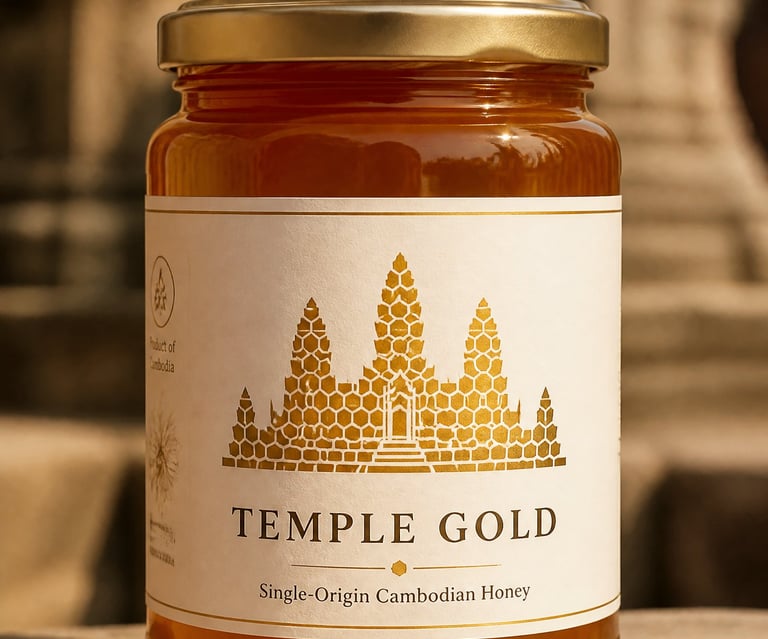
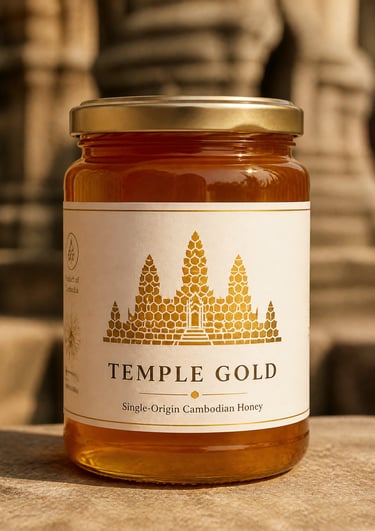
Temple Gold
Single Origin Cambodian Honey
Join Our Hive
Stay sweet with sokha nektar updates
Our Honey
Pure Cambodian honey, captured in every drop.


