Sweet deals: up to 10% off When you register

The Rich Honey Harvest of Kampong Thom Province
Discover the rich honey harvest of Kampong Thom province. Light-bodied, floral wild honey from Cambodia's flooded forests. Raw, pure, and sustainably harvested. By Sokha Nektar.
HONEYREGIONSKAMPONG THOM PROVINCE
The Bee Keeper
5 min read
Introduction to Kampong Thom Province
Kampong Thom Province is strategically situated in the central part of Cambodia, bordered by several provinces, including Siem Reap to the northwest and Preah Vihear to the north. It is a region characterized by its rich natural resources and diverse cultural heritage. The province stretches over an area of approximately 13,814 square kilometers, making it one of the largest provinces in the country. Notably, Kampong Thom is located near Tonle Sap Lake, the largest freshwater lake in Southeast Asia, which plays a significant role in the province’s economy and ecosystem.
Geographically, Kampong Thom’s landscape is varied, featuring flat plains, rolling hills, and extensive wetlands that provide an ideal habitat for numerous species of flora and fauna. This ecological diversity makes the province a vital area for agriculture and fishing, particularly benefiting local communities that rely on these activities for their livelihoods. Furthermore, the province is well-known for its archaeological significance, home to many ancient temples and remnants of the Khmer Empire, which attract visitors and historians alike.
The cultural landscape of Kampong Thom is rich and vibrant, shaped by the traditions and practices of its local communities. Among these are the practices surrounding honey harvesting, a vital aspect of local culture and economy. The province’s beekeepers play an essential role in both sustaining the environment and preserving traditional methods of honey production. This activity not only provides a source of income but also reinforces community bonds, as harvesting is often a cooperative effort involving families and neighbors.
In summary, Kampong Thom Province stands at the crossroads of natural beauty and rich cultural heritage, making it an integral part of Cambodia's identity. The importance of honey harvesting within the local communities encapsulates the province's connection to its environment and traditional practices, ultimately contributing to both its economy and cultural significance.
The Unique Honey of Kampong Thom
The honey produced in Kampong Thom is renowned for its distinct characteristics, stemming from the unique environments in which it is harvested and the types of bees that produce it. The primary producers of this honey are the giant honeybees, which build their colonies high in the trees, primarily in the dense forests of the region. These bees collect nectar from a variety of local flora, contributing to the unique flavor profile of the honey.
What sets Kampong Thom honey apart from other types of honey is its complex taste, which can vary significantly based on the seasons and the specific flowers blooming at the time of harvest. The flavor tends to be rich and robust, with a slightly earthy undertone that reflects the diverse ecosystem of the area. Many describe its taste as a harmonious balance between sweetness and a hint of bitterness, creating a lingering aftertaste that distinguishes it from honey sourced from other regions.
Comparatively, honey from the eastern highlands is often lighter and more floral, influenced by the predominant plant species in those areas. Kampong Thom honey, by contrast, is thicker in consistency and can exhibit darker hues, thanks to the high mineral content collected from the local flora and fauna. This unique body and rich coloring result in a product that is not only sought after for its taste but also for its potential health benefits, as it is believed to possess higher antioxidant properties compared to others. The local beekeeping practices, which respect both the bees and their natural habitat, further enhance the quality of honey produced, making it a truly unique offering in Cambodia's agricultural landscape.
The Wild Honey Harvesting Process
The honey harvesting process in Kampong Thom Province is steeped in tradition and varies significantly based on the seasonal changes that define the region's climate. Local beekeepers, who play an integral role in this process, meticulously observe the environmental cues that indicate the ideal time for harvesting honey. Typically, this optimal period aligns with the dry season, which creates conducive conditions for bees to thrive and produce honey efficiently.
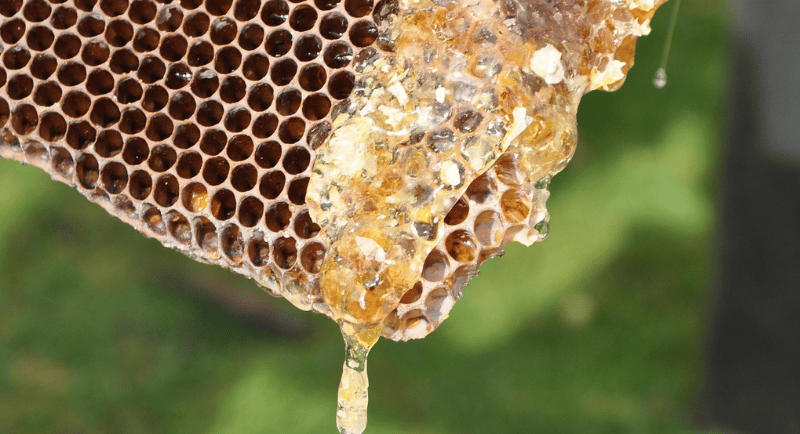
During the dry months, flowers are abundant, providing bees with ample nectar to forage. This influx of resources leads to a bountiful honey yield, prompting local beekeepers to prepare for the harvest. The traditional methods employed by these artisans have been passed down through generations, focusing heavily on sustainable practices that respect the bees and their ecosystem. Beekeepers utilize a variety of techniques including climbing tall trees to reach wild bee nests, often using smoke to calm the bees and facilitate a safer extraction process.
It is important to note that the ecological significance of beekeeping cannot be overstated. The act of harvesting honey promotes the health of local bee populations, which are critical pollinators for both wild flora and agricultural crops. This symbiotic relationship between beekeepers and bees cultivates a thriving environment that, when managed sustainably, benefits the entire ecosystem. Furthermore, the wild honey harvested not only contributes to local diets and medicinal practices but also supports the economy of Kampong Thom Province, allowing beekeepers to sustain their livelihoods while preserving their rich cultural heritage.
Overall, the honey harvesting practices in Kampong Thom Province embody a unique blend of tradition, ecological awareness, and economic benefit, which together create a sustainable environment for both bees and the local community.
Cultural and Economic Impact of Honey Production
The honey production sector in Kampong Thom Province stands as a significant contributor to both the local economy and community life. Known for its rich variety of wild honey, the area has established a passionate market that supports livelihoods and preserves cultural practices. The unique characteristics of Kampong Thom's honey, often attributed to the diverse flora in the region, have spurred interest among local consumers as well as external markets.
Honey harvesting is not merely an economic activity; it is deeply embedded in the cultural traditions of the residents. Local customs often celebrate honey through festivals and communal gatherings that highlight its importance in both culinary practices and traditional medicine. These cultural rituals emphasize the harvesting process, which is typically shared among families and communities, fostering strong bonds and cooperation. The communal aspects of honey gathering also underscore the region's social fabric, where collaboration enhances both productivity and community spirit.
Economically, honey production provides substantial income for many families in Kampong Thom. Beekeeping enterprises, ranging from small-scale family operations to slightly larger commercial ventures, create sustainable income sources that help alleviate poverty. Local markets are often bustling with honey products, showcasing a variety of options such as raw honey, infused honey, and even medicinal honey. The value derived from honey harvesting helps maintain livelihoods, ensuring that local families can invest in education, health, and other essential services.
Furthermore, the market for honey extends beyond local consumption, as exports are increasingly viable, allowing Kampong Thom’s honey to reach international customers who appreciate its unique flavor and medicinal qualities. The combination of economic benefits and cultural significance makes honey production a cornerstone of local identity, as well as a driver for sustainable development in Kampong Thom Province. In conclusion, the cultural and economic impacts of honey production illustrate its vital role in shaping the community and improving the quality of life for its residents.
Sokha Nektar
Contact
Newsletter
honey@sokhanektar.com
+855 86458981
© 2024. All rights reserved.