The Delicate Wild Honey of Preah Vihear Province: A Treasure of Cambodia
REGIONSHONEYPREAH VIHEAR
Introduction to Preah Vihear's Wild Honey
Preah Vihear Province, located in northwestern Cambodia, is renowned for its rich cultural heritage and stunning natural landscapes. This province is distinguished by its mountainous terrain and lush forests, which create an ideal habitat for the diverse flora that supports the region's indigenous bee populations. The unique geographical characteristics of Preah Vihear significantly contribute to the distinct qualities of its wild honey. Unlike other varieties found in the country, such as the bold honey of Mondulkiri, the honey produced in Preah Vihear is celebrated for its gentle sweetness and delicate flavor.
The wild honey of Preah Vihear is predominantly harvested from the hives of wild bees that thrive in the untouched wilderness. These bees collect nectar from a variety of local flowers, which imbue the honey with unique floral notes that reflect the biodiversity of the area. As a result, the honey not only serves as a delectable treat but also as a representation of the local environment and its floral diversity. This connection between the landscape and the honey highlights the importance of environmental conservation in sustaining local honey production.
Furthermore, the cultural practices surrounding honey harvesting are deeply rooted in the traditions of the local communities. The methods employed by local beekeepers have been passed down through generations, emphasizing sustainability and respect for nature. This harmonious relationship between the people and their land is what makes Preah Vihear's wild honey not just a culinary delight, but also a cultural treasure. By understanding the impact of the region's geography and culture on honey production, one can appreciate the exceptional quality of Preah Vihear's wild honey and its significance in Cambodian heritage.
The Ruby-Red Honey: A Local Gem
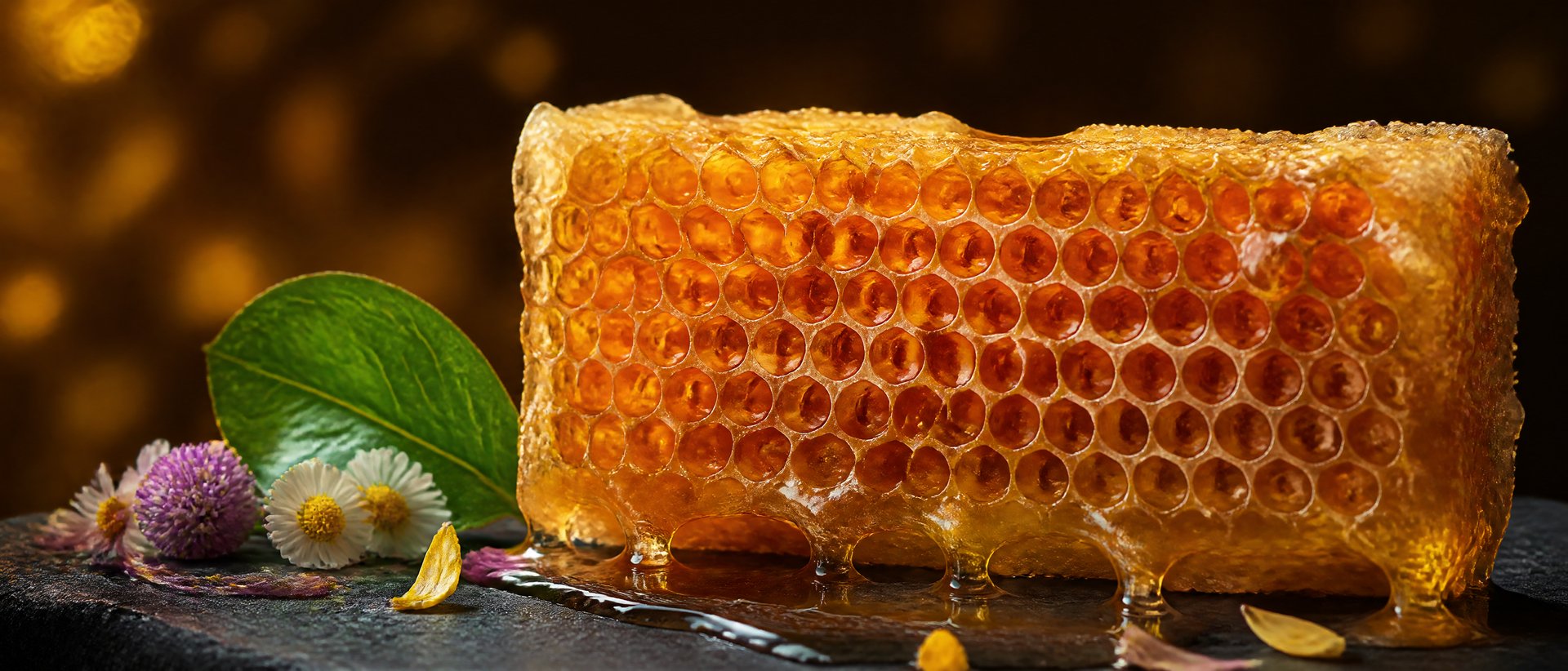
The ruby-red honey, harvested around Dei Phnom Chheu Krahorm in Preah Vihear Province, represents a unique and cherished natural product in Cambodia. This specific type of honey, famed for its striking color, is not only aesthetically pleasing but also offers a distinct taste that sets it apart from other honey varieties found in the region. Local beekeepers have cultivated specialized techniques for harvesting this exquisite treasure, emphasizing sustainable practices that benefit both the environment and the community.
The color of the ruby-red honey is attributed to the diverse floral species that bloom in the vicinity of Dei Phnom Chheu Krahorm. These blossoms are rich in nectar and contribute to the honey’s unique flavor profile, which is described as both sweet and tangy, with hints of fruity undertones. Tasting this honey is often considered an experience that reflects the lush biodiversity surrounding the harvesting areas. Its flavor profile has garnered appreciation not only locally but also across Cambodia, leading to a burgeoning demand for this local delicacy.
Furthermore, the community's dedication to maintaining traditional harvesting methods contributes to the honey's high quality and purity. Beekeepers in the region utilize age-old techniques that respect the natural behaviors of bees, ensuring a minimal impact on their ecosystems. This commitment to authenticity and quality has resulted in ruby-red honey being recognized in various culinary circles, enhancing its reputation as a local gem. With its unique characteristics, this ruby-red honey is more than just a product; it is a celebration of the natural environment and the rich cultural heritage of Preah Vihear Province.
Sustainable Harvesting Practices in Preah Vihear
The practice of sustainable honey harvesting in Preah Vihear Province serves as a model for blending ecological conservation with the economic needs of local communities. In 2022, the Cambodian Government introduced formal certifications aimed at regulating wild honey production. These protocols are designed to encourage ethical practices among honey harvesters while promoting environmentally responsible methods that do not deplete natural resources.
The Cambodia Wild Honey protocols focus on several key principles, including protection of biodiversity, ensuring the sustainability of bee populations, and minimizing environmental impact. Honey harvesters are trained to selectively harvest honey, allowing bees to thrive and continue their essential role in pollination. These methods not only safeguard the local flora and fauna but also provide a reliable income source for local communities reliant on honey production.
This sustainable approach emphasizes traceability in honey collecting, ensuring that each step of the process is monitored and compliant with established standards. This entails maintaining transparent supply chains that connect consumers with responsible producers. By knowing the source of their honey, buyers are more likely to support eco-friendly practices and contribute to the local economy.
The importance of these sustainable harvesting practices cannot be overstated. They serve to preserve the delicate ecosystems of Preah Vihear Province while providing economic benefits to its communities. When local populations are involved in the conservation and sustainable use of their natural resources, they develop a vested interest in maintaining and protecting their environment. This alignment of environmental sustainability and socio-economic growth creates a robust framework for both the community and the ecosystem to prosper together.
Cultural Significance and Future of Honey Production
The wild honey produced in Preah Vihear Province holds profound cultural significance for the local communities. Traditionally, honey has been a staple in the culinary practices of this region, valued not only for its sweetness but also for its unique flavors that reflect the local biodiversity. It serves as a key ingredient in various dishes, contributing to both daily nutrition and special ceremonies. Honey is often used in traditional medicine, believed to possess healing properties that cater to a range of ailments, which reinforces its standing in the local culture. The methods of honey harvesting are passed down through generations, interweaving the craft with the very identity of the communities. This intimate connection with nature fosters a sense of pride and responsibility among the locals, as they engage in sustainable practices to protect their natural resources.
Looking towards the future, the honey industry in Preah Vihear is poised at a crossroads of opportunity and challenge. Global demand for natural and organic products is on the rise, which presents an avenue for expanding local production and exploring new markets. However, these opportunities are coupled with significant challenges, including the impact of climate change on local ecosystems. As weather patterns continue to shift, the delicate balance required for bees to thrive could be disrupted, adversely affecting honey production. Additionally, loss of habitat and pesticide use present ongoing threats to both bees and the quality of honey harvested.
To ensure the sustainability of honey production in Preah Vihear, it is essential for local communities to advocate for eco-friendly practices and seek partnerships that promote fair trade. Introducing educational initiatives about the importance of bees and their role in the environment can also foster a greater appreciation for this vital resource. By integrating modern marketing strategies with traditional production methods, the future of wild honey in Preah Vihear can be both culturally enriching and economically viable.