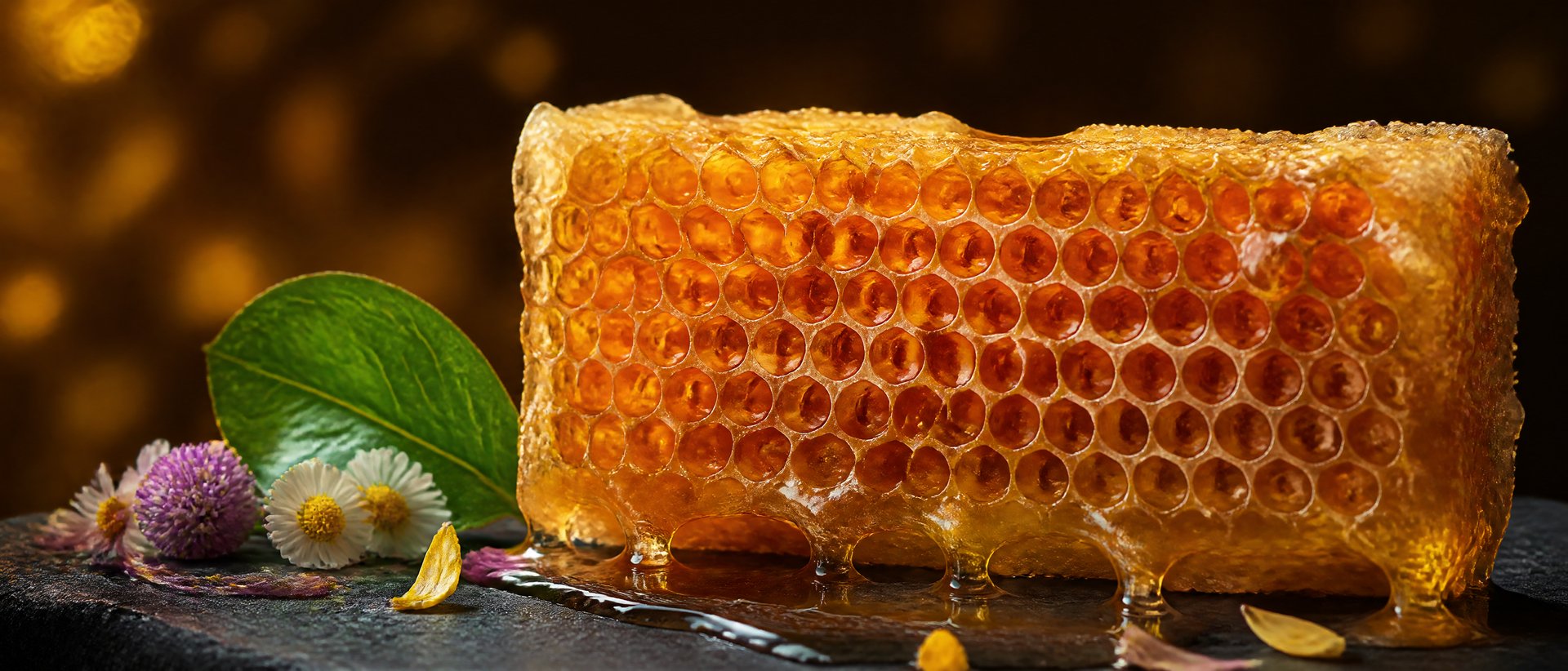
Exploring the Richness of Mondulkiri Province: The Heart of Cambodian Honey Production
MONDULKIRIHONEYREGIONS
The Significance of Mondulkiri in Cambodian Honey Production
Situated in the eastern highlands of Cambodia, Mondulkiri Province has emerged as a pivotal region for honey production, asserting its unique status within the national agriculture landscape. In January 2021, Mondulkiri was awarded geographical indication (GI) status, a recognition that earmarks the honey produced in this region for its exceptional quality and distinct characteristics. This GI designation not only enhances the reputation of Mondulkiri honey but also serves as a vital tool for local farmers and beekeepers, offering them a strengthened market position and ensuring fair compensation for their products.
The significance of this geographical indication is manifold. Firstly, it establishes a direct link between the honey and its geographical origin, emphasizing the unique environmental conditions and traditional harvesting methods that contribute to its distinctive flavor and quality. The biodiverse flora of Mondulkiri, enriched by its elevation and climate, provides bees with an array of rich nectar sources, which translates into honey with unique taste profiles, distinguishing it from other honey varieties produced in different regions of Cambodia.
Furthermore, the GI status acts as a cultural emblem, recognizing the traditional techniques used by local communities in honey production. These practices have been passed down through generations, reflecting the cultural heritage and deep-rooted knowledge of the indigenous peoples. By promoting these traditional methods, Mondulkiri honey not only supports biodiversity and environmental sustainability but also resonates with consumers who are increasingly seeking authentic and locally-sourced products.
In essence, the recognition of Mondulkiri’s honey through GI status encapsulates a broader narrative regarding local empowerment, cultural pride, and economic sustainability. As the honey market flourishes, this GI status serves as a beacon for preserving the unique blend of tradition and quality that defines Mondulkiri honey.
The Harvesting Process: A Deep Dive into Indigenous Techniques
The Bunong communities in Mondulkiri Province possess a profound understanding of the harvesting process for honey, especially from the nests of the Giant Honeybee (Apis dorsata). These indigenous techniques, passed down through generations, emphasize a respect for nature and an adherence to ecological practices that ensure the sustainability of both the honey and the surrounding ecosystems. Traditionally, the harvesters assess the biodiversity within protected wildlife sanctuaries where the honeybees thrive, recognizing that the health of these areas directly influences the quality and yield of their honey production.
During the peak months from March to May, the Bunong communities engage in a meticulously choreographed ritual to gather honey. This period marks the apex of honey production, as the bees are most active and the floral diversity is at its richest. Harvesting is often a communal activity, involving groups of skilled individuals who work in tandem to ensure safety and efficiency. Utilizing bamboo ladders and ropes, the harvesters carefully ascend the trees where the nests are located, employing traditional knowledge of bee behavior to minimize disturbances to the colonies.
The extraction process is remarkably delicate; the Bunong utilize handcrafted tools designed to engage with the nests without harming the bees or jeopardizing the hive's lifecycle. By taking only a portion of the honey, they allow the bee population to thrive and support ongoing biodiversity. This symbiotic relationship between the Bunong and the Giant Honeybee exemplifies a sustainable approach to honey production, preserving both the cultural heritage of the communities and the ecological balance of the region.
The Unique Qualities of Mondulkiri Wild Honey
Mondulkiri wild honey stands out due to its distinctive characteristics, which have made it a significant product of this Cambodian province. Known for its intense sweetness, this honey often has a thickness that sets it apart from many commercial varieties. Harvested from the nectar of wildflowers that flourish in the rich biodiversity of Mondulkiri's forests, the flavor profile of this honey is complex and engaging.
The spectrum of colors in Mondulkiri wild honey is quite remarkable, ranging from a pale golden hue to deep, dark brown shades. The lighter varieties tend to exhibit delicate floral notes, while the darker, aged honey introduces more robust, caramelized flavors. Those who appreciate honey will note that this range not only contributes to the sensory experience but also reflects the changing environmental factors that influence the bees’ foraging patterns.
Beyond its culinary appeal, Mondulkiri wild honey is also esteemed for its medicinal properties, which have been utilized in traditional Cambodian practices for centuries. Local communities value honey not only as a food source but also for its potential health benefits, including its anti-inflammatory and antibacterial properties. It is often integrated into herbal remedies and is regarded as a natural solution for various ailments.
Culturally, honey plays a pivotal role in many local traditions and practices, signifying abundance and prosperity. From rituals to everyday use, its importance is woven into the fabric of life in Mondulkiri, rendering it not merely a food product but a symbol of heritage and communal identity. The unique qualities of Mondulkiri wild honey thus contribute to its allure, making it a treasured commodity both locally and beyond.
Sustainability and Community Impact
The honey production in Mondulkiri Province exemplifies a sustainable economic model that benefits both local communities and the environment. Currently, there are eleven certified communities that produce between 150 and 200 tonnes of wild honey annually. This production not only boosts the local economy but also provides significant social benefits to the Bunong people, the indigenous community known for their expertise in traditional beekeeping.
By engaging in sustainable honey production practices, the Bunong people can maintain their cultural heritage while improving their livelihoods. The income generated from honey sales plays a crucial role in supporting community development initiatives, such as education and healthcare. Furthermore, the promotion of sustainable practices encourages the preservation of their traditional knowledge and enhances the community's connection to their ancestral land.
In addition to economic advantages, honey production has a positive impact on environmental conservation. The maintenance of natural habitats for honeybees is essential for biodiversity and ecological health. As honey producers actively work to safeguard these habitats, they also contribute to the protection of wildlife sanctuaries. The bees play a vital role in pollination, which is critical for maintaining the balance of local ecosystems.
Moreover, the initiative supports various conservation efforts designed to protect endangered species and their habitats. By fostering a sustainable business model that aligns economic viability with ecological stewardship, the communities in Mondulkiri demonstrate a holistic approach to development. This not only aids in preserving their unique cultural identity but also ensures future generations can thrive both economically and environmentally.