Sweet deals: up to 10% off When you register
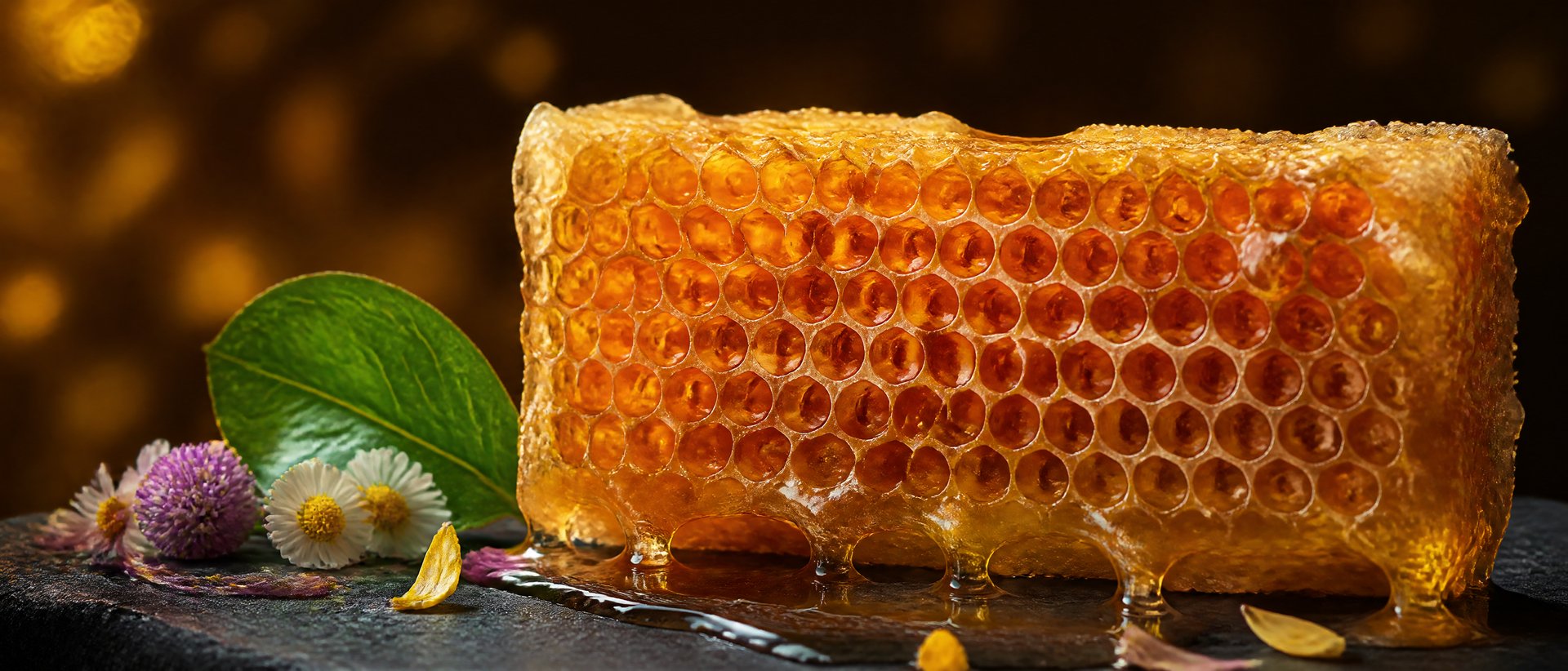
Exploring the Honey Treasures of Pailin Province
REGIONSHONEYPAILIN PROVINCE
The Bee Keeper
5 min read
Pailin Province: A Hidden Gem at the Thai Border
Pailin Province, situated in southwestern Cambodia, is a captivating region that shares its borders with Thailand. Known for its stunning natural scenery and rich cultural heritage, Pailin has emerged as a unique destination for travelers seeking adventure and tranquility. With its lush forests, serene landscapes, and a temperate climate, the province is often overlooked compared to more popular destinations in Cambodia, making it a hidden gem worth exploring.
The geographical positioning of Pailin, contiguous to the Thai border, provides an interesting blend of cultural influences from both nations. This fusion is evident in its local customs, cuisine, and the warm hospitality extended by its residents. Visitors often find themselves enchanted by the friendliness and rich traditions of the Pailin people, who take pride in their unique way of life, which has evolved over centuries.
The cultural and natural beauty of Pailin is not just appealing for casual travelers but also for honey enthusiasts. The province's altitude and diverse flora contribute to the production of high-quality honey, which is highly sought after both locally and internationally. This delightful treasure is not only a symbol of the region but also a testament to the ecological richness that supports beekeeping activities, offering an enticing experience for those keen on discovering local honey varieties.
In conclusion, Pailin Province stands as a remarkable destination by the Thai border, offering visitors a blend of stunning landscapes, rich culture, and exceptional honey products. Whether you are an adventurous traveler or a nature lover, exploring Pailin promises a unique and enriching experience that highlights the treasures of this unspoiled province in Cambodia.
The Sweet Legacy of Longan Orchards
Pailin Province, renowned for its lush landscapes, is particularly famous for its extensive longan orchards. Grown in a region characterized by favorable climatic conditions, the longan fruit thrives during the warm months, particularly from April to June, when flowering occurs. This blooming season is paramount, not only for fruit production but also for the local beekeeping industry. The blossoms of longan trees yield nectar that is notably rich, attracting a multitude of honeybees, which in turn influences local honey production.
The cultivation of longan in Pailin follows traditional methods, which have been passed down through generations. Farmers typically engage in careful land preparation and use organic practices to ensure the health and vitality of their orchards. Due to the region’s unique soil composition and temperature, the longan trees produce fruits that are not only sweet but are enriched with flavor and texture, contributing to the quality of the honey derived from them. Local apiarists often harvest this honey just as the longan flowers begin to fade, resulting in a product that retains the fragrance and subtle notes of the blossoms.
The honey produced from the nectar of longan flowers is distinguished by its light sweetness and floral aroma. This particular honey has a clear, golden hue and a delicate flavor profile that sets it apart from other types of honey. It is often described as having a smooth texture with a unique aftertaste that captures the essence of the longan blossoms. Local farmers express pride in their craft, noting how this honey not only serves as a staple for their families but also plays a crucial role in their economic sustainability. Interviews with these farmers reveal their deep connection with the land and their dedication to preserving the sweet legacy that longan orchards represent in Pailin Province.
Coffee Plantations and Their Unique Honey Varieties
Pailin Province, renowned for its rich agricultural practices, boasts an abundance of coffee plantations that significantly contribute to the region’s unique honey diversity. These plantations not only provide coffee beans but also serve as a crucial source of nectar for local honeybees. The blossoms of coffee plants bloom in clusters, attracting a variety of bee species that forage eagerly, collecting nectar to produce honey with distinctive flavor profiles.
The process of honey extraction from coffee blossoms yields a remarkable variety that sets itself apart from other types of honey, such as the more commonly known longan honey. Honey derived from coffee flowers is characterized by its darker, richer flavor, often accompanied by subtle bitter notes reminiscent of the coffee itself. This uniqueness in taste can be attributed to the specific floral characteristics of the coffee plant, which imparts a complex profile to the honey, making it particularly appealing to culinary enthusiasts seeking to explore diverse tastes.
Insights from local beekeepers reveal interesting observations regarding the foraging behaviors of bees in Pailin's coffee plantations. These beekeepers note that the bees exhibit distinct preferences for certain blossoms, often influenced by factors such as blossom density and floral aroma. The foraging journey of these bees contributes significantly to the honey’s quality and flavor. Notably, the variability in flavor between different batches of coffee blossom honey can even reflect seasonal changes and the specific coffee varietals in bloom, further enhancing its complexity.
As Pailin continues to cultivate its coffee plantations, the intersection of coffee cultivation and beekeeping serves to enrich the region's honey production, fostering a unique synergy between agriculture and apiculture. This ensures that the honey from Pailin not only stands out in flavor but also narrates the story of its origins from the enchanting landscape of the province.
The Art of Beekeeping and Wild Honey Collection
Pailin Province, located in the western part of Cambodia, is renowned for its rich biodiversity and abundant natural resources. One of the vital practices that has evolved in this region is beekeeping, specifically focused on the management of Apis mellifera, commonly known as the honeybee. Beekeeping in Pailin is not merely a profession but a tradition deeply rooted in the culture of the local communities. It entails a series of meticulous practices tailored to the climatic and ecological conditions of the area.
Local beekeepers employ various techniques for harvesting honey, ensuring that the collection process respects the bees and their environment. The use of smoke to calm the bees during honey extraction is widely adopted, as it allows for a safer and more humane collection. Ethical considerations are paramount; many beekeepers prioritize sustainability, ensuring that they do not deplete bee populations or harm their habitats.
In addition to traditional beekeeping, Pailin is also home to wild honey collectors who venture into the forests to harvest honey from wild hives. This practice requires a different set of skills, as collectors must navigate the tall trees where hives are often situated. It is not uncommon for these collectors to share profound stories of their encounters with nature, reflecting a deep respect for the ecosystem. One local beekeeper remarked, "Every time I collect honey, I feel like I am participating in something much larger than myself. It's a symbiotic relationship between us and the bees."
The ecological impact of bee activities in Pailin cannot be overlooked. Bees play a crucial role in pollination, which contributes significantly to the biodiversity and productivity of local flora. This ecological service further enhances food security in the region. By understanding the dual aspects of beekeeping and wild honey collection, it becomes evident that preserving bee populations is crucial for maintaining both cultural traditions and ecological balance in Pailin Province.
Sokha Nektar
Contact
Newsletter
honey@sokhanektar.com
+855 86458981
© 2024. All rights reserved.