Sweet deals: up to 10% off When you register

Exploring the Honey Ecosystems of Pursat Province
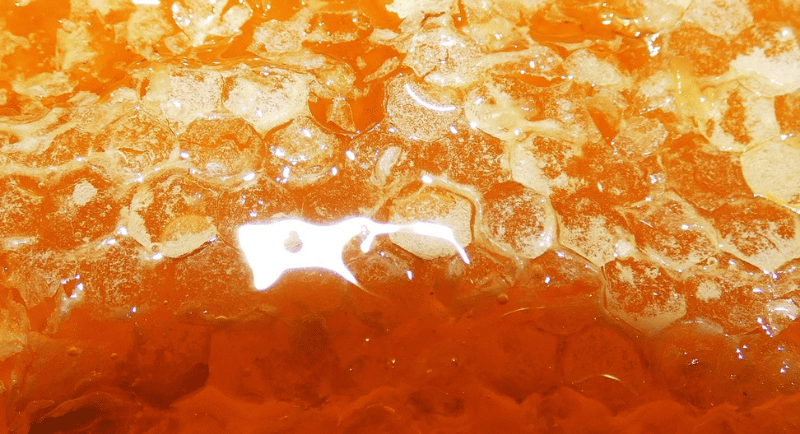
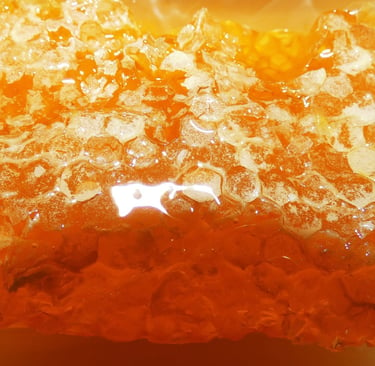
Explore the honey ecosystems of Pursat province. From dark Cardamom forest wild honey to light Tonle Sap lake honey. Two landscapes, one extraordinary Cambodian harvest.
HONEYREGIONSPURSAT PROVINCE
The Bee Keeper
4 min read
Introduction to Pursat Province's Unique Geography
Pursat Province is situated in the western part of Cambodia, bordered by the impressive Cardamom Mountains to the southwest and the expansive Tonle Sap floodplains to the northeast. This strategic geographical positioning plays a crucial role in defining the region's climatic and ecological characteristics. The mountainous areas contribute to higher precipitation levels, creating a moist environment that supports a variety of flora, significantly enhancing biodiversity. Meanwhile, the proximity of Pursat to the Tonle Sap Lake, one of Southeast Asia's largest freshwater lakes, adds another layer of complexity to its ecosystems.
The combination of highland and floodplain ecosystems in Pursat creates distinct agricultural opportunities. The diverse landscapes, ranging from steep slopes to gently rolling hills, allow for a multitude of plant species to thrive. Such biodiversity is essential not only for the overall health of the environment but also for sustaining local agricultural practices, particularly honey production. The abundance of wildflowers and other plant life provides a rich foraging ground for honeybees, which are vital to the production of quality honey in the region.
Additionally, the unique topography of Pursat influences local microclimates, contributing to variations in temperature and humidity. These variations can be significant for honey production, as different bee species may thrive in specific conditions. Moreover, the interaction between the mountains and the floodplains creates various habitats that support both flora and fauna, essential for the ecological balance and sustainable honey harvesting practices.
Overall, the geography of Pursat Province not only enhances its natural beauty but also plays a critical role in shaping its diverse ecosystems. This unique interplay of landscapes is fundamental to understanding the dynamics of honey production in the area, highlighting the significance of geography in the local economy and ecology.
The Richness of Wild Forest Honey from the Cardamom Mountains
Wild forest honey, particularly from the Cardamom Mountains, offers a unique and complex flavor profile that distinguishes it from honey harvested in other regions, such as Koh Kong. This area is characterized by its rich biodiversity and lush landscapes, which provide a diverse range of floral sources that are essential for the production of honey. The bees that forage on the wide array of wildflowers in these mountainous terrains create honey that is notably dark in color, with an intricate blend of flavors that includes notes of caramel, herbs, and a hint of smokiness.
The environmental conditions of the Cardamom Mountains play a crucial role in influencing the characteristics of this honey. The altitude and climate contribute to a slower growth of flora, allowing for extended flowering periods. As a result, bees are able to gather nectar from a variety of plants, enhancing the complexity of the honey’s flavor. The well-preserved ecosystems of this region not only provide the bees with a diverse food source but also ensure that the honey reflects the unique terroir of the Cardamom Mountains.
In contrast, honey produced in neighboring Koh Kong has a lighter hue and a more straightforward sweetness, primarily due to the different flora available. While Koh Kong honey may appeal to those who prefer milder flavors, wild forest honey from the Cardamom Mountains captures the essence of its environment through its multifaceted taste and dark, robust character.
The differentiation in honey production continues to highlight the importance of preserving these natural habitats. By understanding the unique attributes of wild forest honey from the Cardamom Mountains, one can appreciate not only its culinary value but also the ecological significance of the regions where it is harvested.
Honey from the Tonle Sap Flooded Forests: Light and Variable Quality
The honey produced in the flooded forests near Tonle Sap Lake is distinctive, not just in taste but also in its remarkable characteristics, especially its light color. This honey is primarily harvested from the nectar of a variety of flowering plants that flourish during the seasonal flooding. The biodiversity of the local flora plays a crucial role in defining the flavor profile and quality of the honey. The primary sources of nectar, which include species such as acacia and various wildflowers, contribute to the unique qualities that this honey embodies.
One of the most fascinating aspects of honey from the Tonle Sap Flooded Forests is its variability. Seasonal changes greatly influence which flowers are abundant and available to the bees. During periods of heavy rain, for example, certain plants may thrive while others may diminish, leading to fluctuations in honey production. This variability is reflected not only in the color, which can range from pale yellow to light amber, but also in taste and nutritional content. The honey's seasonal nature contributes to its uniqueness; each harvest can yield honey with subtly different characteristics depending on the foraging conditions of that particular year.
Beyond its physical characteristics, honey holds cultural significance for local communities surrounding Tonle Sap. It is not only a food source but also an important ingredient in traditional healing practices and celebrations. Locals utilize the honey in various ways, recognizing its value in both culinary and medicinal applications. Honey's role in local customs reinforces the deep connection between the people and their environment, with practices that have been passed down through generations. This intertwined relationship highlights the importance of preserving the flooded forests to ensure the sustainability of honey production and the cultural heritage surrounding it.
Beekeeping in Pursat: The Apis Mellifera Operations
Beekeeping, particularly involving the Apis Mellifera species, has become a notable practice in Pursat Province, Cambodia. This region, known for its rich biodiversity and fertile landscapes, has increasingly attracted beekeepers who recognize the vital role that honeybees play in enhancing local ecosystems. The operations involving Apis Mellifera not only facilitate honey production but also contribute significantly to pollination services, which are critical for the agriculture and natural flora of the Tonle Sap region.
The technique of beekeeping in Pursat often incorporates traditional methods that have been passed down through generations, merged with modern practices to enhance efficiency. Local beekeepers utilize movable frame hives, which allow for management of colonies with minimal disruption. Challenges do arise, including environmental factors such as seasonal changes and pesticide exposure, which can affect bee health and productivity. Furthermore, training and resources for effective hive management are essential, as many local beekeepers are still developing their skills.
Despite these challenges, beekeeping in Pursat presents several success stories that are paving the way for sustainable practices. Some progressive local initiatives have led to improved training programs, allowing beekeepers to share knowledge and gain access to better tools and techniques. This collaborative approach not only enhances honey production but fosters an interest in the ecological benefits of beekeeping, such as promoting biodiversity and supporting local flora. The economic implications of successful Apis Mellifera operations are evident as well, with honey production providing an additional income source for many families in the region. The growing interest in sustainable beekeeping practices reflects a commitment to conserving local ecosystems while meeting economic needs.
Sokha Nektar
Contact
Newsletter
honey@sokhanektar.com
+855 86458981
© 2024. All rights reserved.