
Exploring Kratie Province: A Unique Honey Profile of the Mekong
HONEYREGIONSKRATIE PROVINCE

The Geography and Environment of Kratie Province
Kratie Province, situated in the northeastern part of Cambodia, is characterized by its strategic location alongside the Mekong River, one of the longest rivers in the world. This province is notable for its rich biodiversity, fostered by its unique geographical features and environmental conditions. The Mekong River runs through Kratie, creating a natural floodplain that supports a variety of ecosystems, crucial for both wildlife and local agriculture.
The landscape of Kratie Province includes extensive floodplain forests, which are integral to its ecosystem. These floodplain forests are typically flooded seasonally, providing a nurturing environment for a diverse range of flora and fauna. During the monsoon season, the rising waters enrich the soil, enhancing the growth of indigenous plant species that thrive in these conditions. The interaction between the river and the surrounding forests facilitates a delicate ecological balance, making it an ideal habitat for honeybee colonies.
In addition to the floodplain forests, the sandy islands scattered throughout the Mekong River provide unique microhabitats. These islands, resulting from seasonal fluctuations in water levels, are often home to a variety of plants that attract bees. The diverse plant life on these islands contributes significantly to honey production in the region, as bees utilize the abundant floral resources available to create distinct honey profiles. The honey harvested from Kratie Province is known for its unique flavor, attributed to the specific flowers that bloom in the area, thus reflecting the environmental richness of the region.
Furthermore, the sustainable practices of local beekeepers complement the ecological harmony of Kratie. By maintaining a balance between honey production and environmental conservation, the province showcases how geography and ecology can work in tandem to enhance both biodiversity and local economy.
The Distinct Honey Profile of Kratie
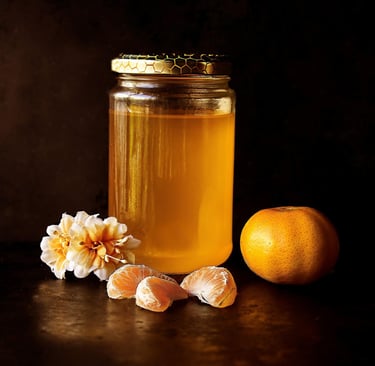
Kratie Province, located along the banks of the Mekong River in Cambodia, is renowned for its unique honey, prized for its distinct flavor and quality. The honey produced here boasts a beautiful golden hue, a testament to the diverse flora that flourishes in the region. This natural color is attributed to the various blossoms from which the bees collect nectar, including wildflowers and fruit trees common to Kratie’s landscape.
The flavor profile of Kratie honey is notably balanced, featuring a harmonious blend of sweetness and subtle floral notes. This versatility makes it an ideal ingredient for culinary applications, ranging from baking to dressings, as well as an excellent accompaniment to beverages. The rich taste of the honey can be attributed to the diverse ecosystem of flowering plants that thrive in the area, including mango, longan, and various indigenous flora, all of which contribute to the unique characteristics of the honey.
Local beekeepers employ traditional harvesting methods that have been passed down through generations. These practices not only ensure the preservation of the bees and their habitats but also maintain the high quality of the honey produced. Harvesters use handcrafted hives made from natural materials, which allow the bees to thrive in an environment reflective of their natural habitat. Such techniques result in minimal interference with the bees, promoting sustainable honey production while upholding the ecological balance.
In conclusion, the honey of Kratie Province reflects a marriage of natural beauty and traditional craftsmanship, making it a distinctive product of the Mekong region. The combination of the region's diverse botanicals and the dedication of local beekeepers ensures that this honey not only captivates the palate but also embodies the essence of Kratie's rich natural heritage.
Sustainable Harvesting Practices and Certification
Kratie Province has become a notable region for honey production, largely due to the commitment of its local communities to sustainable harvesting practices. The honey produced here is not only a source of income for many families but also a testament to their dedication to environmental stewardship. This commitment is exemplified by the CBHE (Community-Based Honey Enterprise) compliance certificates received in 2022, which signify adherence to sustainable practices in the honey production process.
The importance of these certifications cannot be overstated. They not only highlight a commitment to sustainability but also ensure that honey harvesting is done in a manner that preserves the local ecosystem. Sustainable honey harvesting practices involve ensuring that bees are not over-harvested, allowing them to thrive and continue pollinating local plants. This practice is vital for maintaining biodiversity within the region. Moreover, it reflects a growing awareness among Kratie’s residents of the interconnectedness of their livelihoods and the health of their environment.
By adhering to the criteria set by the CBHE certification, honey producers in Kratie are able to guarantee quality and ethical production methods, which are increasingly sought after by consumers. This shift towards certified sustainable production practices not only enhances the reputation of Kratie honey in the market but also encourages other community members to engage in similar environmentally-friendly practices. Overall, the sustainable harvesting of honey in Kratie Province is an exemplary model of how local communities can align economic activities with environmental responsibility, ensuring that future generations can continue to benefit from this valuable resource.
The Cultural Significance of Honey in Kratie
In Kratie Province, honey plays a vital role in the cultural fabric of the local communities. This sweet substance is not merely a source of nourishment but also a symbolic connection to the region's traditions and practices. The integration of honey into daily life underscores its importance in sustaining not only the physical health of the population but also their cultural identity.
Honey production has been practiced for generations in Kratie, particularly among indigenous groups who have utilized traditional methods to harvest honey from wild bee colonies. The significance of honey extends beyond its culinary applications; it is often featured in various rituals and celebrations. Local festivals celebrate the harvest season, where honey is showcased as a prized gift, emblematic of harmony between humans and nature. Such traditions highlight the reverence for bees and the essential role they play in the ecosystem.
In culinary practices, honey is a staple ingredient in various local dishes and beverages. It is used to sweeten traditional desserts and can also serve as a natural preservative. Beekeepers in Kratie have begun to experiment with blending honey into more contemporary recipes, indicating a dynamic relationship between traditional practices and modern gastronomy. Additionally, honey's medicinal properties are recognized and utilized in local remedies, reinforcing its status as a dietary staple.
The relationship between the local communities and honey is significant, as beekeeping serves as a source of income and sustenance for many families. The collective efforts to maintain honey production not only support economic stability but also foster community bonds and preserve cultural heritage. Overall, honey in Kratie Province embodies a rich intersection of history, tradition, and modernity, making it an essential element of daily life.