Sweet deals: up to 10% off When you register
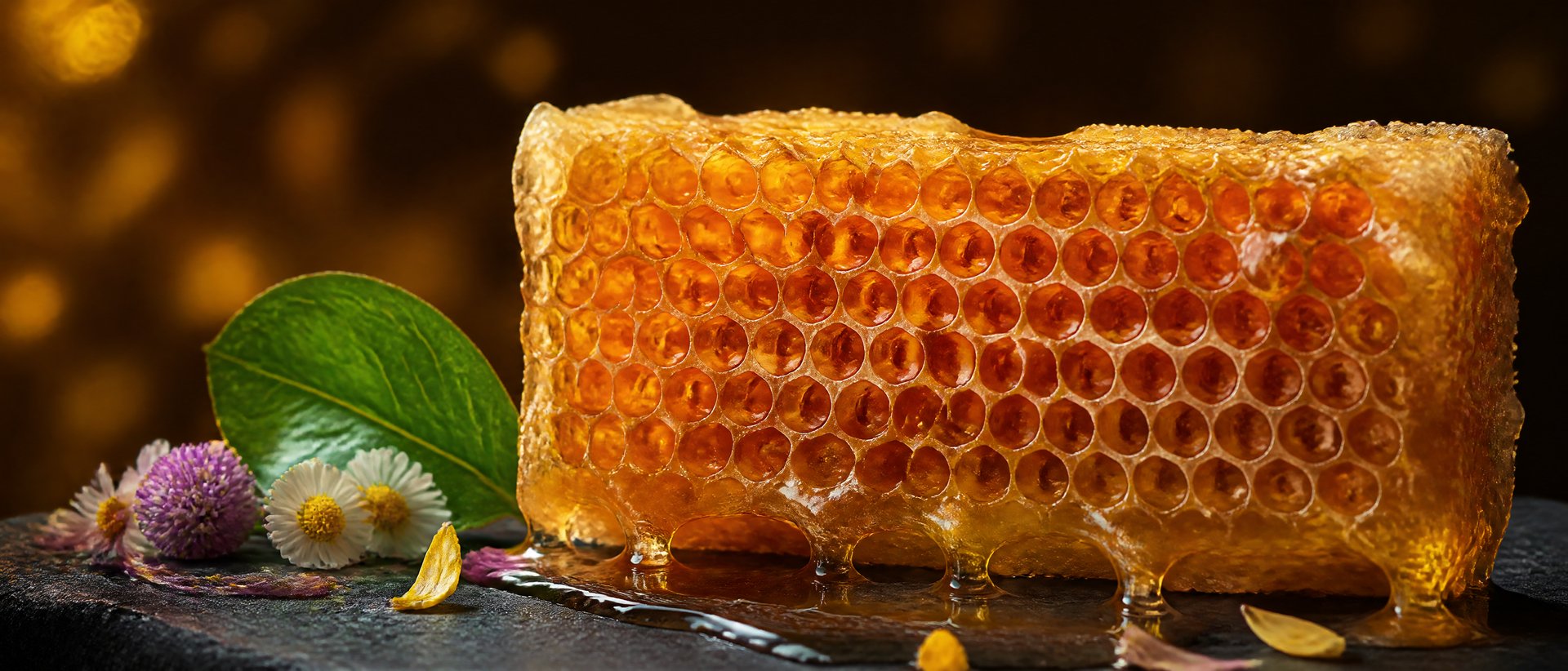
Exploring Battambang Province: The Heart of Cambodia's Honey Production
HONEYREGIONSBATTAMBANG PROVINCE
The Bee Keeper
4 min read
The Agricultural Landscape of Battambang
Battambang Province, often referred to as the agricultural heartland of Cambodia, boasts a diverse and rich agricultural landscape shaped by its unique geographical features. This province is nestled against the eastern foothills of the Cardamom Mountains, providing a distinctive backdrop that influences its farming practices and agricultural productivity. The undulating terrain, combined with fertile alluvial plains, creates ideal conditions for the cultivation of a variety of crops, from rice and corn to fruits and vegetables. The extensive farmlands are a testament to the region’s agricultural significance, supporting the livelihoods of numerous farming communities.
The Cardamom foothills contribute to not just conventional farming but also to the thriving apiculture industry in the region. The varying elevations and microclimates across Battambang allow for the growth of rich flora, which is essential for the sustenance of bee populations. The diverse ecosystems, ranging from forests to grasslands, foster an environment where bees can thrive, accessing a plethora of flowering plants that enhance their honey production capabilities. As a result, Battambang's honey is not only sought after locally but also recognized for its quality across international markets.
This unique blend of geography and agriculture underlines the importance of Battambang Province as a pivotal area for not just food production but also for honey yield. The significance of this province extends beyond its socio-economic contributions, as it plays a crucial role in the agricultural tapestry of Cambodia. The local government and various organizations are increasingly recognizing the potential of sustainable farming practices, aiming to preserve the agricultural landscape while promoting honey production, thus ensuring that Battambang remains at the forefront of Cambodia's agricultural scene.
Honey Production in Battambang
The diverse landscape of Battambang Province plays a significant role in its burgeoning honey production. Beekeeping here is primarily categorized into two methods: the harvesting of wild honey from forest areas and the production of honey from managed apiaries. Both practices yield distinct types of honey, reflecting the region's rich biodiversity.
Wild honey is sourced from the hives of native bees that thrive in the forests. These hives are often located in tall trees and are harvested by skilled local honey gatherers who climb the trees to collect the honeycombs. The flavor of wild honey is typically complex, influenced by the variety of flora in the forests, which provides the bees with a diverse diet. Additionally, wild honey is often characterized by its thicker consistency and unique taste profiles, which appeal to those seeking authentic local produce.
On the other hand, managed apiaries are cultivated by beekeepers who maintain hives specifically for honey production. These beekeepers carefully select the locations of their hives to ensure a steady food supply for their bees, often opting for areas rich in flowering plants. The use of traditional and modern beekeeping techniques helps in promoting the health of the bee colonies, which in turn increases the yield and quality of the honey produced. The honey from managed hives tends to be more commercially viable and is often marketed for its purity and consistency.
Local beekeepers employ various techniques, such as queen rearing and hive management, to optimize honey production. The unique qualities of Battambang honey are closely tied to the local bee species, which adapt well to the region's climatic conditions. This adaptability contributes to the production of honey that is not only flavorful but also rich in nutrients, which is increasingly valued in the health and wellness market.
The Role of Floral Diversity in Honey Quality
In Battambang Province, the extensive floral diversity significantly influences the quality of honey produced in the region. The variety of flowering plants available provides bees with a substantial selection of nectar sources, which, in turn, affects the flavor, aroma, and color of the honey. This province is enriched with numerous wildflowers, fruits, and spices, allowing for a unique array of honey characteristics unmatched by regions with limited floral variety.
The primary floral sources that contribute to honey production in Battambang include mango, lychee, and longan trees, along with wildflowers such as sunflowers and numerous native plants. Each of these plants produces nectar with distinct chemical compositions, which plays a crucial role in determining the final product’s sensory attributes. For instance, honey derived from tropical flowers is often fruity and aromatic, while honey from wildflowers can introduce herbaceous and floral notes.
Seasonal fluctuations further influence the availability and abundance of different floral sources. During the dry season, bees may primarily forage on a specific type of flower, leading to monofloral honey, well-known for its strong flavor profile and unique characteristics. Conversely, during the wet season, a diverse mix of flowers enables multi-floral honey, which can possess a complex flavor that captures the essence of multiple blooming plants. The bees’ foraging habits, driven by changes in weather and the natural bloom cycles of flora, enable this dynamic range of honey production throughout the year.
Ultimately, the synergy between Battambang’s floral diversity and its seasonal cycles establishes the foundation for producing high-quality honey that reflects the rich natural environment of the province. The commitment of local beekeepers to sustainable practices further ensures that this connection remains strong, contributing to the ongoing legacy of honey production in this region.
The Tonle Sap Ecosystem: Connection to Wild Honey Harvesting
The Tonle Sap ecosystem serves as a vital resource for both the local flora and fauna, creating a unique environment that significantly influences Battambang Province's honey production. This expansive, seasonal floodplain is characterized by its rich biodiversity, hosting an array of wildlife and plant species that contribute to the overall health of the ecosystem. Among these species, bees play a crucial role in pollinating plants that inhabit the flooded forests, which in turn produce abundant nectar essential for honey production.
Wild honey harvesting in this region has deep roots in local traditions, as the indigenous communities utilize sustainable practices to collect honey from hives nestled in the trees of the flooded forests. This connection to the Tonle Sap ecosystem not only ensures a continued source of honey but also promotes biodiversity conservation. By harvesting honey bees from their natural habitats, locals help maintain the delicate balance of the ecosystem while supporting the survival of various species, including endangered birds and aquatic life.
Furthermore, the sustainable practices adopted in wild honey harvesting contribute positively to the local economy by providing livelihoods for many families. The sale of honey aids in generating income, which plays a vital role in community development. Additionally, the preservation of traditional methods of honey gathering contributes to the cultural heritage of the region. Knowledge about these practices is passed down through generations, fostering a sense of identity and connection to the land. The interdependence between the Tonle Sap ecosystem and honey production elucidates the significance of maintaining ecological balance and sustainability, ensuring that future generations can continue to benefit from these resources.
Sokha Nektar
Contact
Newsletter
honey@sokhanektar.com
+855 86458981
© 2024. All rights reserved.